Understanding the Essential Contribution of an Electrician in Today's Electrical Systems and Repairs.
Electricians are vital in today's world, making sure that electrical systems function securely and effectively. Their expertise merges technical knowledge with hands-on abilities to tackle various installations and repairs. With technological progress and a focus on sustainability, electricians are adapting to new demands in their field. This shifting context prompts consideration of the skills needed and the jobs performed. How does this impact do these changes mean for both professionals and customers?
The Crucial Competencies and Qualifications of Electricians

Electricians must possess a wide range of skills and qualifications to capably carry out their duties in electrical installations. A basic requirement is a thorough understanding of electrical theory and systems, which permits them to design, install, and service various electrical components. Official credentials and permits are also essential, as they guarantee compliance with local regulations and standards.
Real-world knowledge, often obtained through apprenticeships, provides electricians with practical abilities in wiring, circuit design, and troubleshooting. Proficiency in using specialized tools and equipment is required for safe and effective performance.
In addition, electricians must possess strong diagnostic skills to identify problems and enact viable fixes. Effective communication are critical for collaborating with clients, contractors, and team members. Staying updated with technological advancements and safety protocols is vital for maintaining competency in the rapidly evolving electrical field. In combination, these skills and qualifications form the backbone of a successful electrician’s career.
Standard Electrical Work Provided by Professionals
Electricians deliver a spectrum of essential services that ensure safe and efficient electrical systems. Typical duties involve wiring installation and upgrades, circuit breaker replacements, and lighting design and repair. Each of these services serves a vital function in maintaining the functionality and safety of electrical installations.
New Wiring Installation and Electrical Upgrades
A variety of wiring installation and upgrade services are critical for assuring a secure and effective electrical setup in homes and businesses. Electricians are key players when installing new wiring to accommodate modern appliances, lighting units, and technological requirements. Electricians examine existing wiring and suggest necessary upgrades to improve safety and power efficiency. This often requires replacing old materials, such as aluminum wiring, with safer copper options. Furthermore, electricians ensure that the installations adhere with local codes and standards, reducing the risk of dangerous electrical issues. Through offering expert guidance regarding wiring layout and design, they assist in optimizing the power performance and overall functionality. Ultimately, these services contribute to a dependable electrical system which satisfies the changing needs of both residential and commercial properties.
Circuit Breaker Replacement Services
Replacing circuit breakers is an important service which ensures the safety and reliability of electrical systems for both commercial and residential clients. Circuit breakers are essential for shielding electrical circuits from overloads and short circuits, consequently preventing fire hazards and injury to equipment. Professional electricians possess the expertise to determine, select, and fit the suitable circuit breakers based on the property's electrical load demands of a property. They secure compliance with regional regulations and standards, providing peace of mind to the owners of the property. Furthermore, regular inspections and timely replacements of circuit breakers help maintain peak performance and extend the lifespan of the electrical setup. Engaging qualified electricians for this task is necessary for guaranteeing efficient and safe electrical functioning.
Lighting Design and Repair
As creating an inviting atmosphere often copyrights on effective lighting, the skill of professionals in lighting design and repair is necessary to achieve the desired result. Electricians play a significant role in determining the unique needs of the location, confirming that light installations boost both functionality and overall aesthetics. Electricians provide services including choosing suitable fixtures, fitting dimmer switches, and integrating smart lighting systems. Furthermore, electricians are skilled at diagnosing and repairing lighting issues, guaranteeing reliable performance and safety. Leveraging their expertise in electrical codes and energy-efficient options, they assist customers in lowering energy consumption and enhancing the atmosphere. In the end, expert lighting design and maintenance are critical to transforming environments and enhancing the overall quality of life in residential and commercial settings.
The Importance of Protective Guidelines and Regulations
Safety standards and regulations are fundamental to the field of power system setups to guarantee compliance with official wiring reference standards. These guidelines furthermore support strategies for minimizing danger but also stress the need for routine safety audits. Adhering to these standards serves to safeguard electricians as well as their customers from foreseeable risks.
Compliance With Electrical Codes
Verifying conformity with electrical codes is crucial to upholding security and operational reliability in power setups. These codes serve as a framework intended to safeguard personnel and belongings from wiring risks. Electricians are critical in adhering to these regulations, which are established by national and local authorities. They verify that installations conform to set criteria, reducing the risk of electrical fires, shocks, and other dangers. Compliance also facilitates the dependable functioning of electrical systems, improving power usage and performance. Routine audits and modifications to existing installations are necessary to keep pace with evolving codes. By making compliance a priority, electricians do more than just ensure safety but also maintain the reliability of the electrical infrastructure, significantly boosting public safety and trust in power systems.
Hazard Reduction Methods
Given the complexities of electrical systems, using strong risk management plans is crucial for safeguarding against potential hazards. Adhering to safety standards and regulations sets the stage for dependable wiring setups. Electricians need to focus on adhering to local codes and industry guidelines, which are designed to lessen hazards involved in power projects. Proper training verifies that electricians are equipped with the skills to identify and address foreseeable risks. Utilizing proper personal protective equipment (PPE) boosts protection during installations and repairs. Furthermore, employing quality materials and tools reduces the likelihood of system breakdown. By promoting a mindset of vigilance and safety, electricians play an essential role in preventing accidents and guaranteeing the longevity of electrical systems within homes and businesses.
Regular Safety Inspections
Routine safety checks are a key element of upholding electrical infrastructure in commercial and residential locations alike. These reviews confirm conformity with established safety standards and regulations, which are intended to safeguard property and lives. They carry out detailed checks to locate potential risks, such as defective cabling, strained power lines, or outdated equipment. By following safety guidelines, they lessen the threat of electrocution and electrical fires. Additionally, routine assessments aid in lengthening the longevity of electrical installations, lowering future repair expenses. These checks also offer reassurance to building occupants, confident that their systems are reliable and safe. Ultimately, these forward-thinking actions result to a better protected space for users and ensure compliance with legal mandates in electrical safety.
Technological Progress in Electrical Systems and Its Influence
As advancements in electrical technology continue to emerge, their significant influence on the industry is becoming clearer. Advancements including smart grids, IoT devices, and advanced energy storage systems are revolutionizing how electricity is generated, distributed, and consumed. Smart grids boost energy conservation by allowing real-time monitoring and management of power movement, thus decreasing power failures and optimizing resource use. IoT technology permits homeowners and companies to operate their power systems remotely, enhancing ease of use and reducing energy consumption. Moreover, sophisticated energy storage systems, such as Li-ion batteries, allow for improved incorporation of renewable energy sources, securing a reliable energy provision during periods of maximum usage. Such technological progress do not just boost efficiency but also increase reliability and safety in electrical installations. As a result, electrical professionals must remain informed about these changes to efficiently install and service modern electrical systems, making certain they satisfy the changing requirements of industry standards and consumers.
Sustainable Energy Solutions Offered by Electricians
While the demand for sustainable energy solutions grows, electricians play an essential role in deploying these environmentally friendly systems. Electricians play a key role in installing solar panels, which transform solar energy into power, thereby reducing reliance on non-renewable energy sources. Electricians also facilitate the setup of efficient illumination systems, such as LED fixtures, which consume considerably less power compared to traditional bulbs
They are also proficient in setting up automated home devices that regulate energy efficiency, improving effectiveness and allowing better management. Victoria Electrician. They facilitate the setup of vehicle charging infrastructure, supporting the shift to greener transportation options. Furthermore, they offer specialized knowledge in energy audits, locating spots where less electricity can be used
Through these contributions, professionals in this field not only boost the utility of wiring setups but also promote sustainable practices that are consistent with ecological aims. Their skill ensures that current systems satisfy both regulatory standards and the rising market desire for green energy alternatives
Selecting the Best Electrician for Your Project
What steps can property owners take to ensure they choose the best professional for their unique project goals? First, they should seek licensed professionals with proper credentials and coverage. This ensures that the electrician adheres to local codes and safety standards. It is also wise for homeowners to seek referrals from acquaintances or check internet feedback to assess the contractor's trustworthiness and standard of service.
Next, it is essential to discuss the project requirements during the first meetings. A reputable electrician will provide a full breakdown of costs, detailing prices and completion dates. Homeowners should also inquire about the electrician's experience with similar projects, which can indicate their expertise.
Finally, communication is key. A professional who hears your worries and responds fully to inquiries is better positioned to deliver good results. Using this advice, homeowners can select the best option and find an electrician who meets their unique demands successfully.
Commonly Asked Questions
What are the Standard Rates for Electrical Contractors
Electricians typically charge between $50 to $100 per hour, depending on their experience and location. Some may also offer flat rates for specific services, while additional costs could arise from materials and emergency call-outs.
What Should I Do in Case of an Electrical Emergency?
In an electrical emergency, one should immediately turn off the power at the circuit breaker, avoid using water near electrical sources, and contact a qualified electrician for assistance, ensuring personal safety is prioritized above all else. - Victoria Electrician
- Victoria Electrician
Can I Perform My Own Electrical Repairs Legally?
Legally, individuals can perform their own electrical repairs in many areas, provided they adhere to local codes and regulations. However, professional electricians are recommended for complex tasks to guarantee safety and compliance with legal standards.
How Long Does It Take to Complete Electrical Installations?
The duration for completing electrical installations typically ranges from a few hours to several days. Factors influencing this timeline include project complexity, the scope of work, and the electrician's experience and efficiency in executing tasks.
What Tools Do Electricians Commonly Use in Their Work?
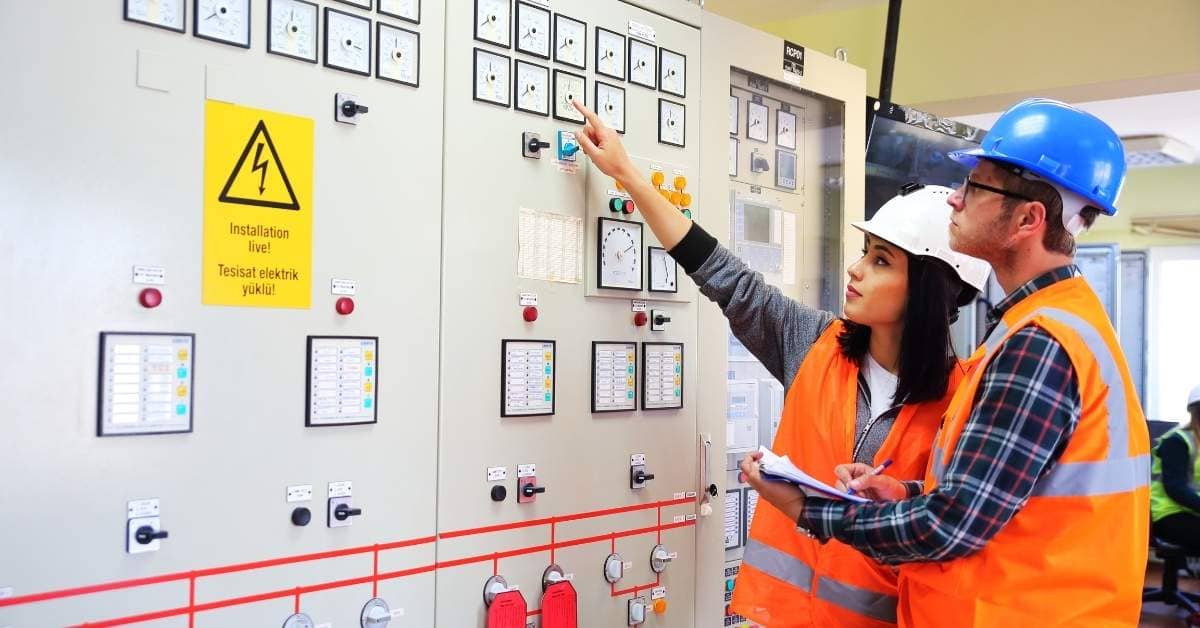
Electricians commonly use tools such as multimeters, wire strippers, pliers, screwdrivers, drills, and conduit benders - Victoria Electrician. These essential instruments facilitate accurate measurements, efficient wiring, and precise installations, ensuring safety and functionality in electrical systems